

جاله با دریچهی محدود
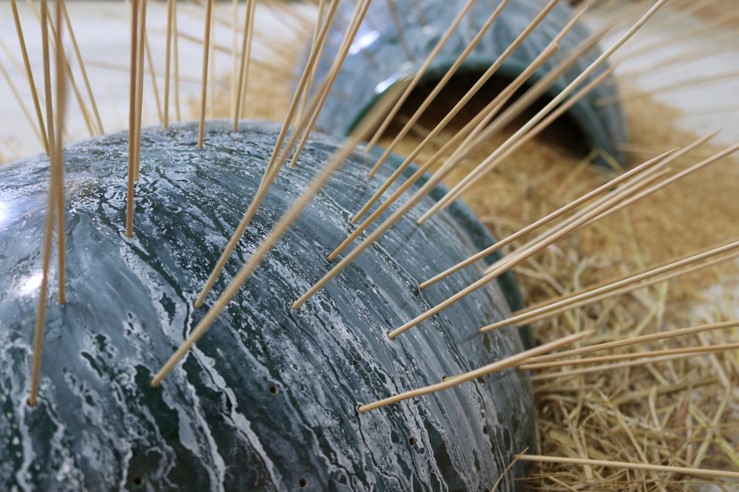
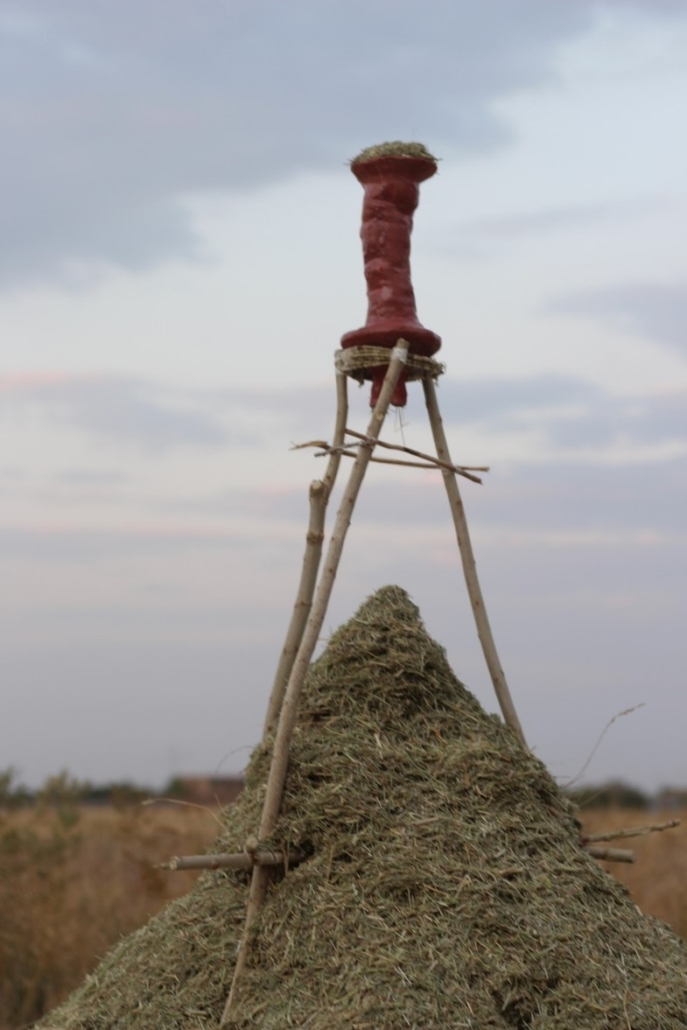
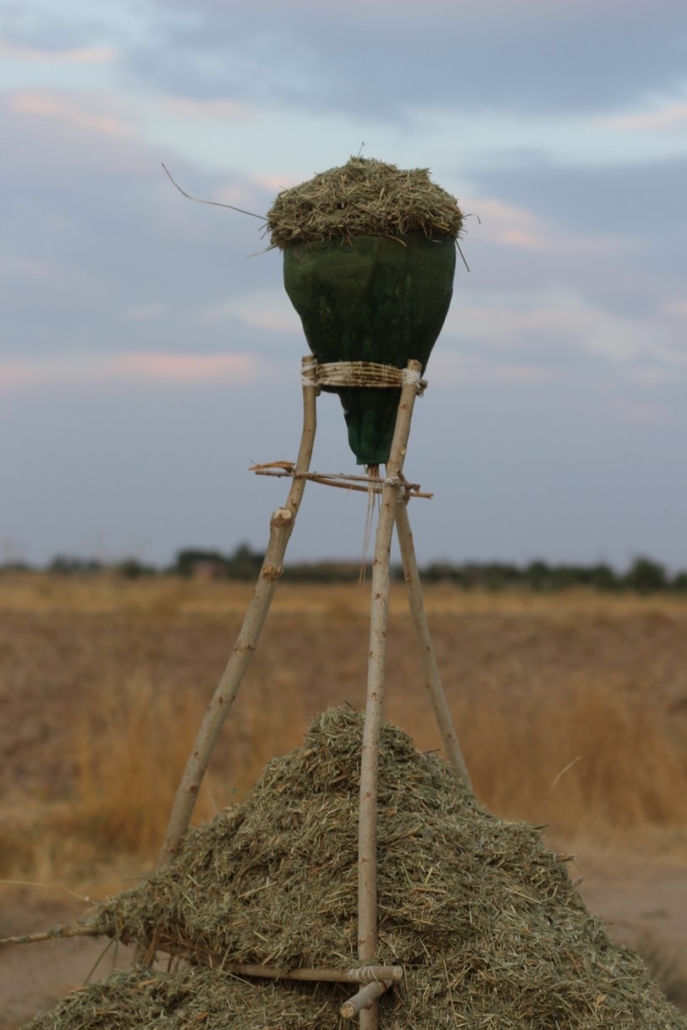
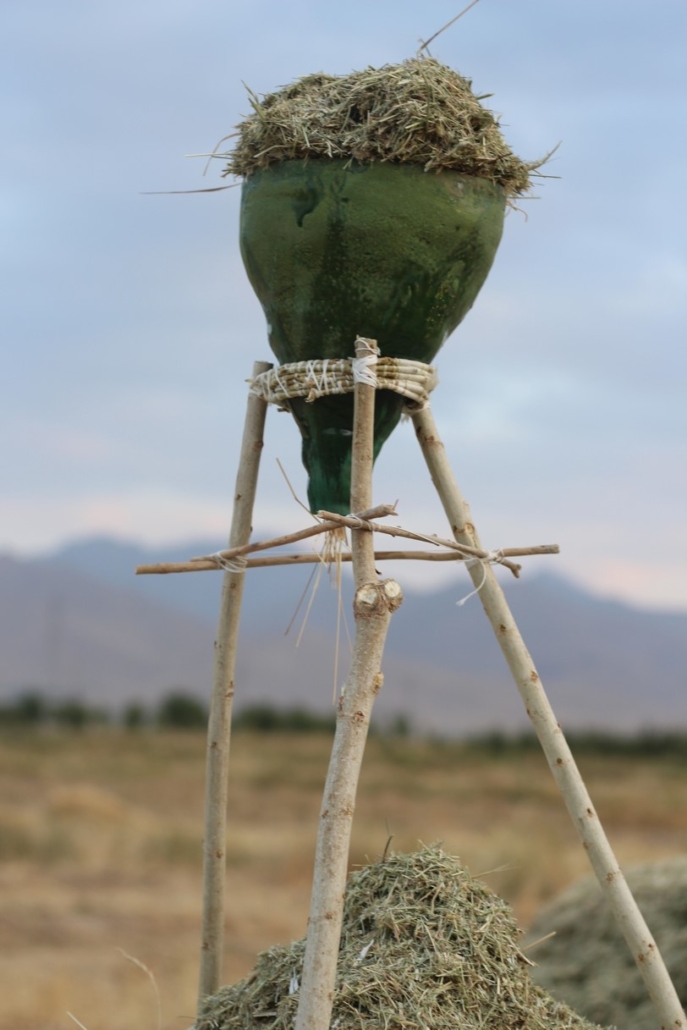
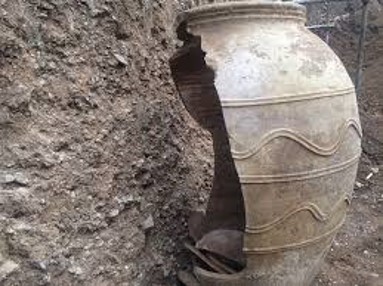
ایدهی این مجموعه از مواجهه با خمرههای ذخیرهی غلات در بناهای کهن آغاز شد؛ ظرفهایی که در سکوت دیوارها قرنها بار بقا و اضطراب را بر دوش کشیدهاند. دیدن و لمس کردن آنها چیزی فراتر از مشاهدهی تصاویرشان بود؛ تجربهای زنده که گویی ردی از دستان انسانهای آواره و جلاوطن را در خود نگاه داشته است.
در کنار این مواجههی حسی، وقایع اقتصادی و سیاسی امروز نیز سایهی خود را بر شکلگیری آثار انداختند. همانگونه که تاریخ به ما یادآور میشود، احتکار و انباشت نه فقط سازوکاری برای بقا، که نشانهای از فراموشیِ محدودیتهای وجودی انسان است. انسانی که ظرفیت ذخیرهسازیاش محدود است، اما پیوسته آن را انکار میکند؛ تا جایی که دریچهی وجودش از پذیرش سر باز میزند و به نقطهی سرریز میرسد.
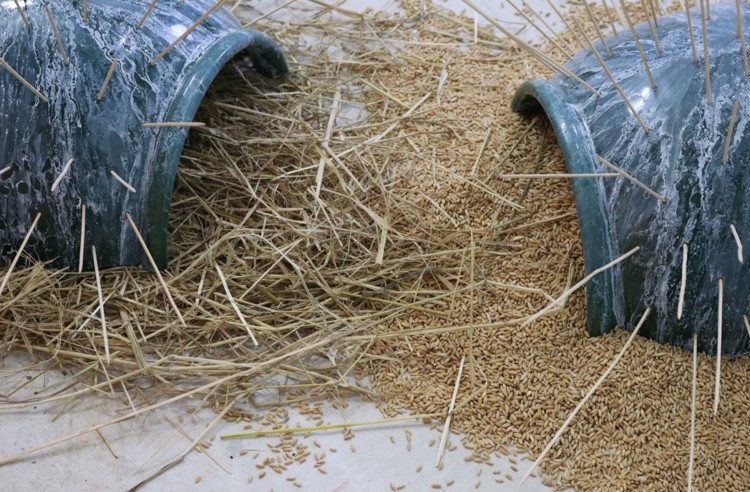
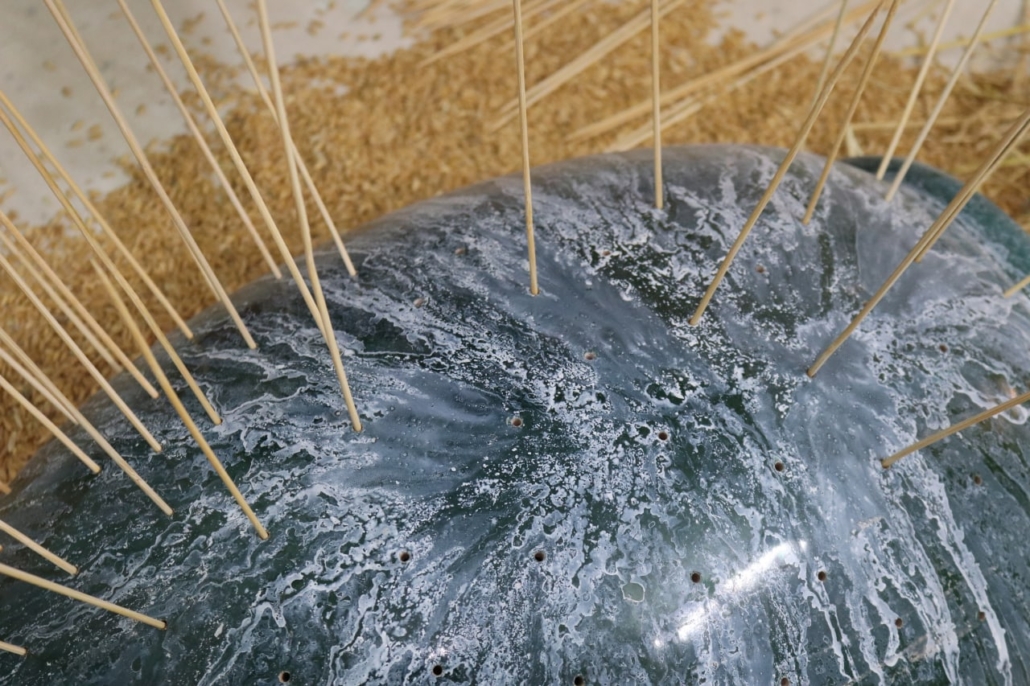
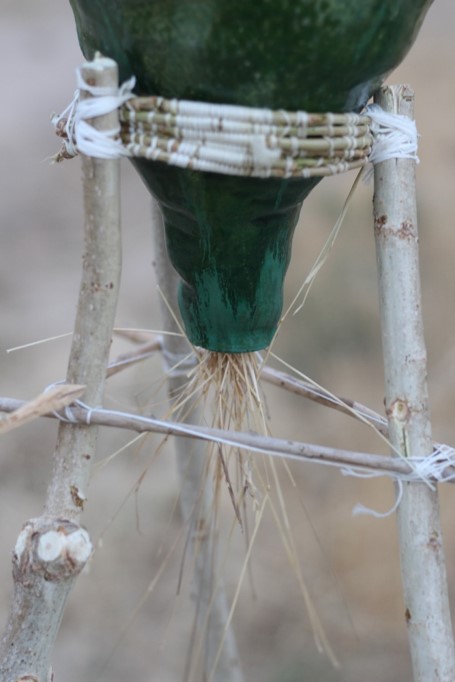
«جاله» در اینجا نه تنها نام شبنم، که یادآور قوم راندهشده و بیخانمان است؛ موجودیتی که میان کوچ و ذخیرهسازی معلق مانده است. خمرهها، با دهانههای تنگ و گلوگاههای محدود، استعارهایاند از این وضعیت: ظرفهایی برای امنیت، که خود بدل به نشانهی اضطراب و فقدان میشوند.
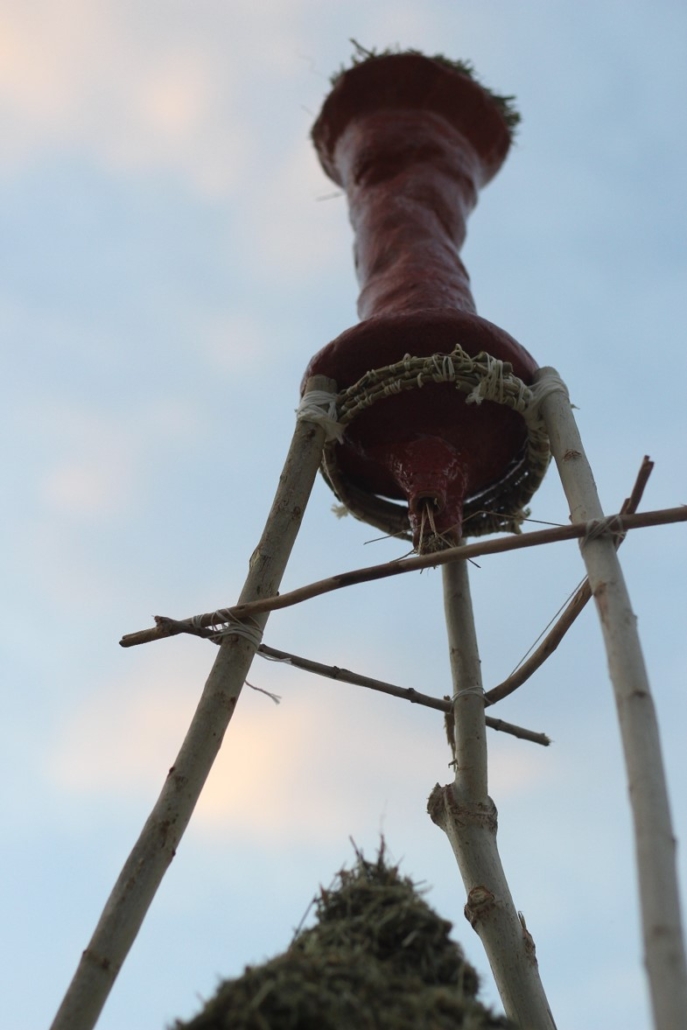
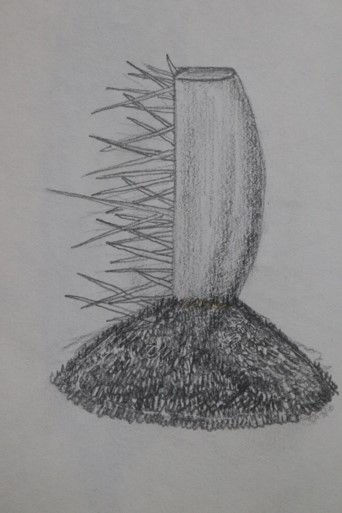
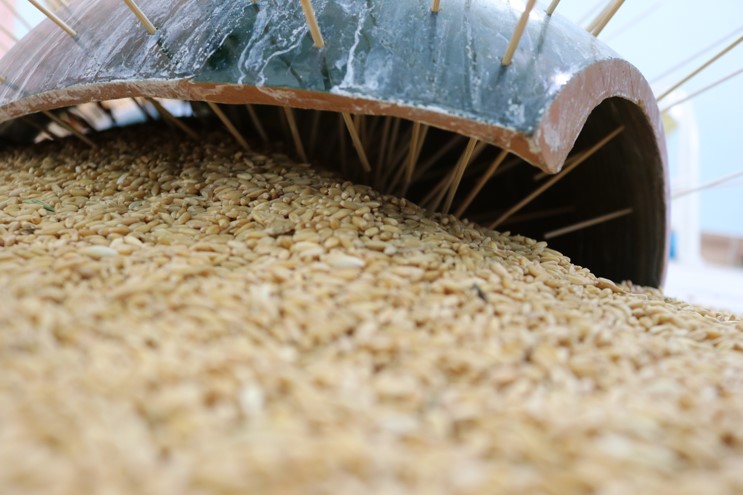
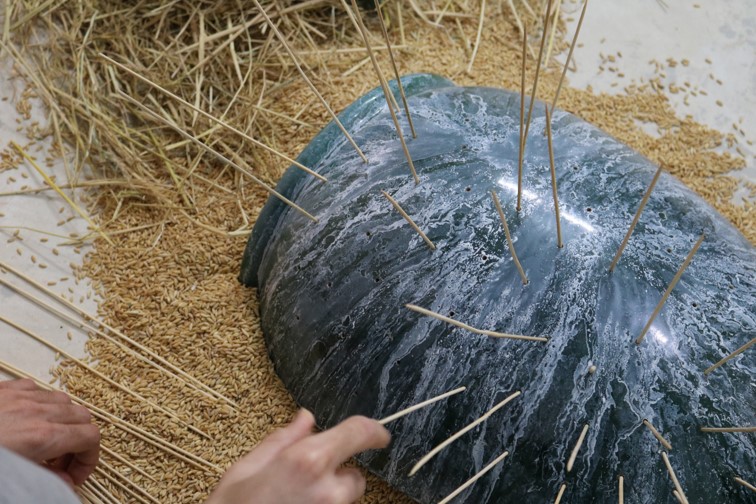
حضور کاه در آثار یادآور پوچی این چرخه است؛ باقیماندهای که نه ارزش تغذیه دارد و نه قابلیت ذخیره، تنها ردپایی است از تلاشی بیثمر برای غلبه بر محدودیت. این مجموعه تلاشی است برای تصویر کردن انسانی که در جدال میان میل به بقا، فراموشی ظرفیتها، و تجربهی جلاوطنی گرفتار آمده است؛ انسانی که همچون «جاله»، هم آواره است و هم قطرهای ناپایدار بر برگ صبح.
Jaleh with a Narrow Window
The idea for this series was sparked by the ancient grain storage jars found in historic buildings—silent vessels that carried the weight of survival and anxiety for centuries. Seeing and touching them in person was far more powerful than any image; it felt as if the hands of exiled and displaced people had left their trace on the surface.
Alongside this sensory encounter, today’s economic and political events cast their shadow on the creation of the works. As history reminds us, hoarding and accumulation are not only strategies of survival but also signs of forgetting the inherent limits of human existence. Humanity’s capacity to store and contain is finite, yet it is constantly denied—until the vessel refuses, and everything overflows.
Here, Jaleh is not only the word for “dew” but also an echo of exiled communities—beings caught between displacement and accumulation. The jars, with their narrow mouths and confined throats, become metaphors for this condition: containers built for security that transform into symbols of anxiety and loss.
The presence of straw in the works reflects the futility of this cycle; a useless remainder with no real value, a residue of humanity’s endless struggle against limitation. This series seeks to reveal the figure of a human trapped between the will to survive, the denial of limits, and the experience of exile—an existence that, like Jaleh, is both displaced and as fragile as a drop of morning dew.