تابستانِ پر مذاکره
در جهان کودکان، بازی، دعوا و گفتوگوی خیالی امری بدیهی است؛ گفتوگویی که گاه در صلح شکل میگیرد و گاه با قهری ساده، ناتمام رها میشود. کودکان میتوانند ساعتها برای چیزی که از نظر بزرگسالان بیاهمیت است، میز و صندلی بچینند، نقش بازی کنند، مذاکره کنند و دوباره همهچیز را برهم زنند.
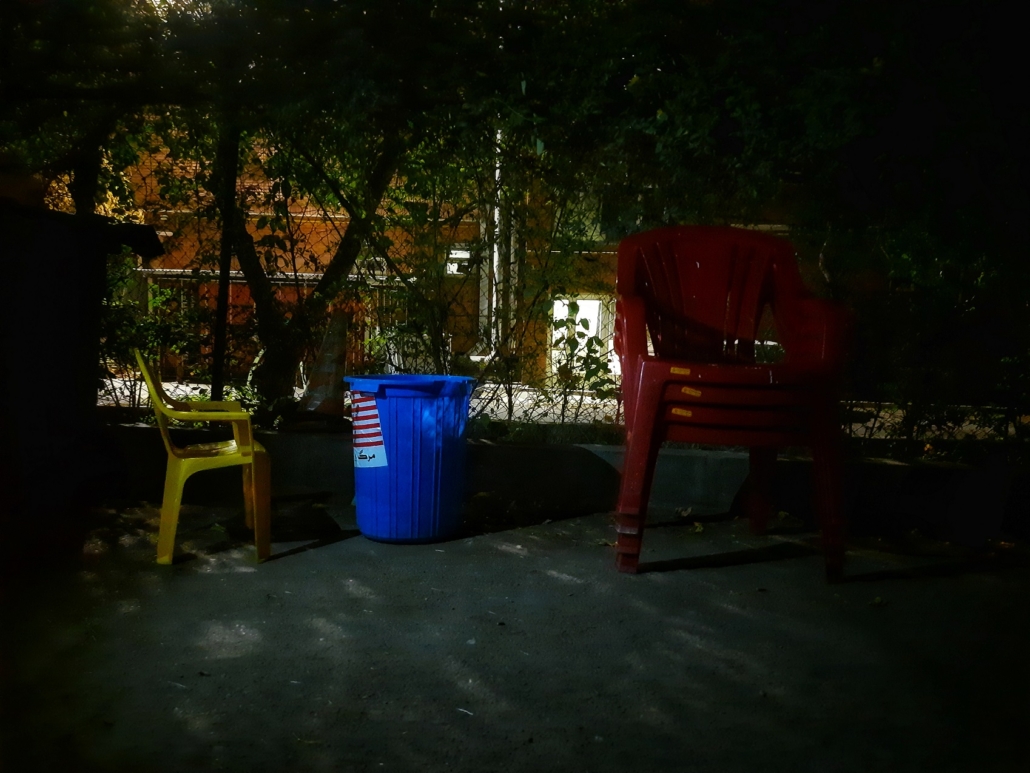
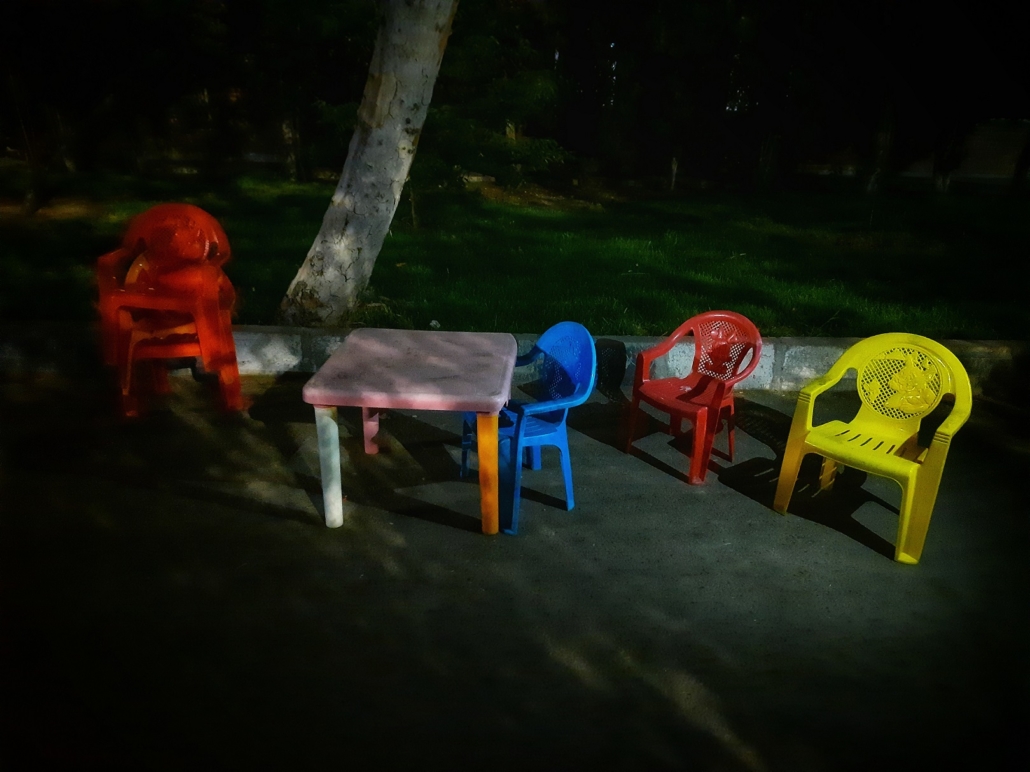
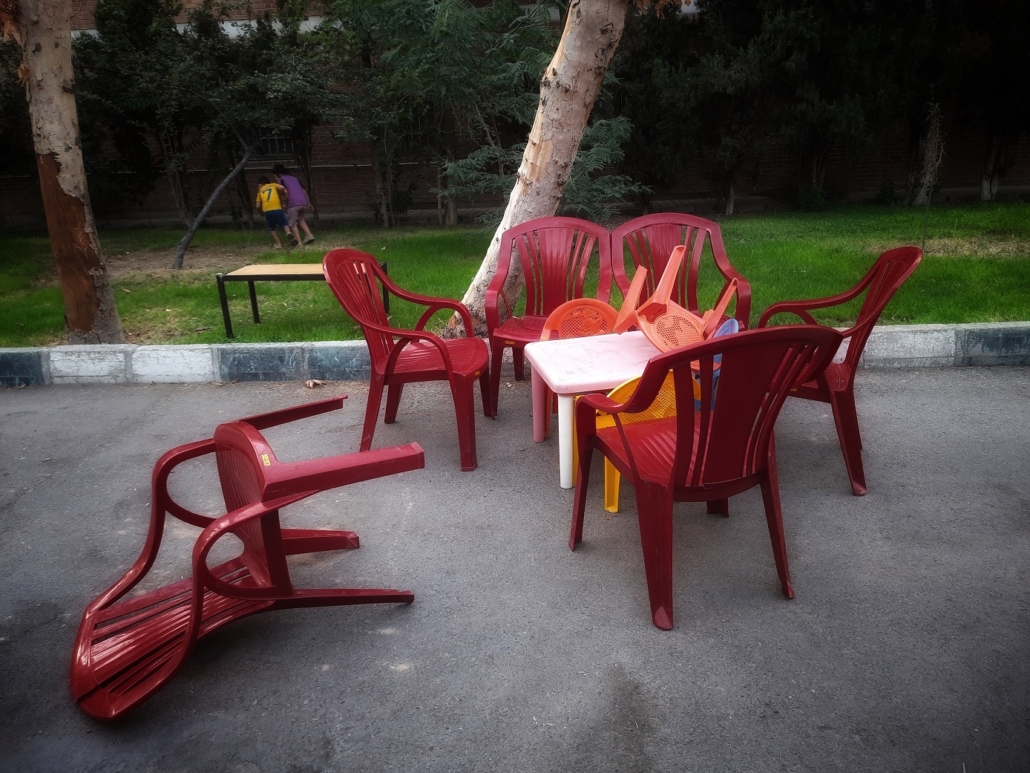
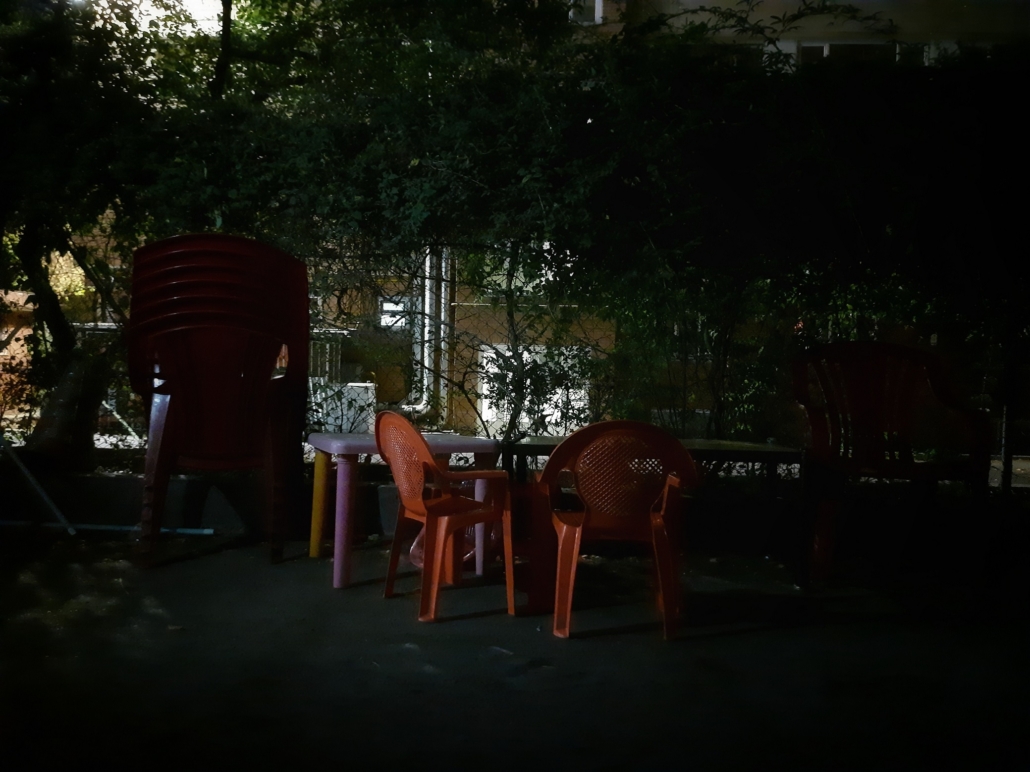
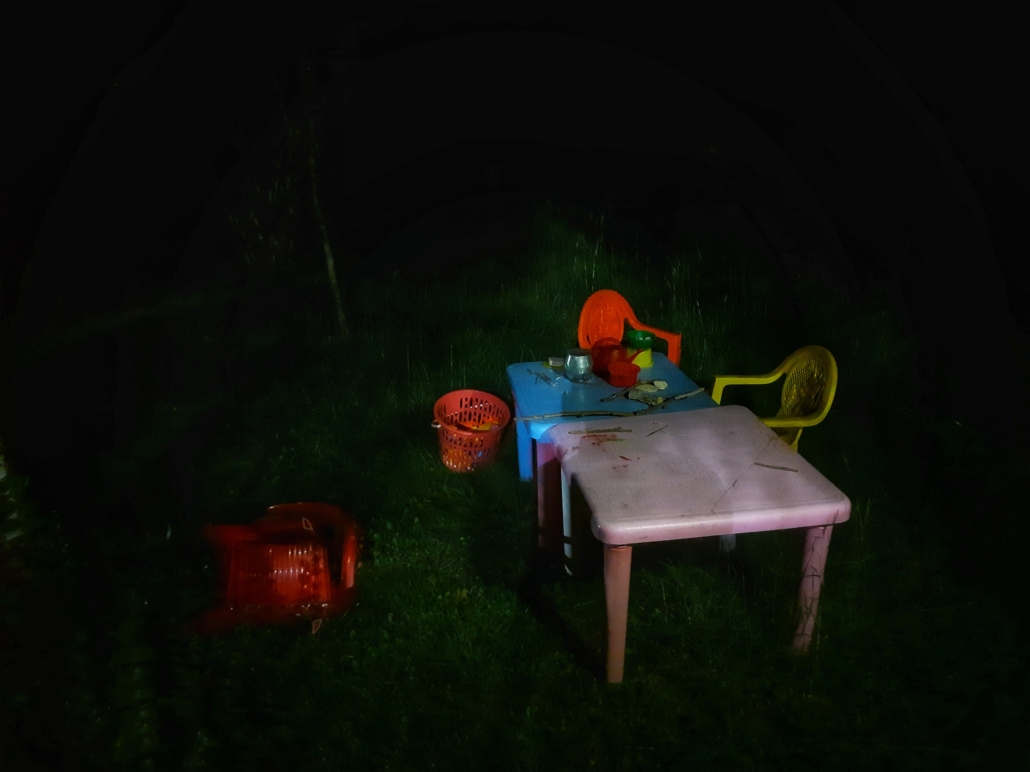
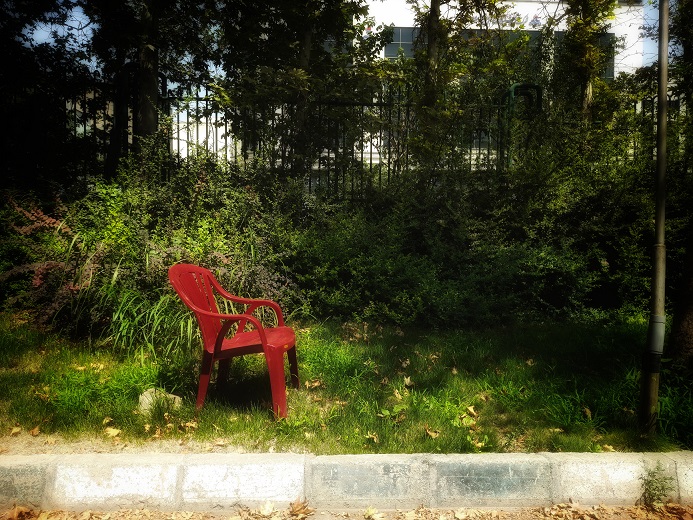
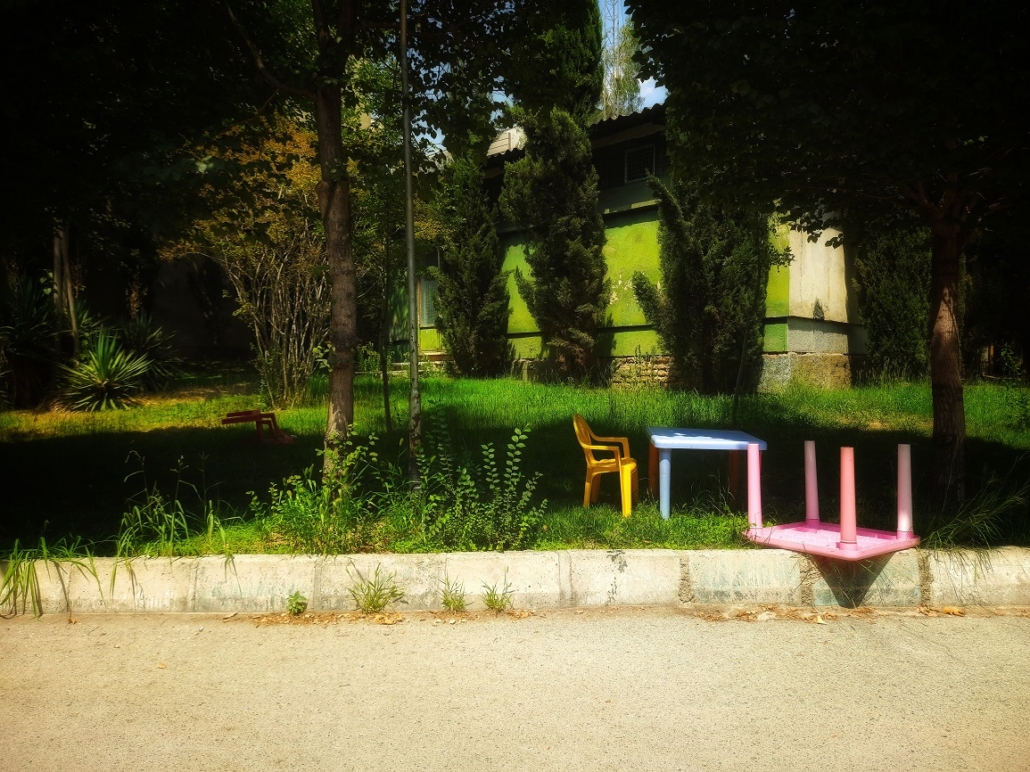
این مجموعه در طول سه ماه تابستان، در فضای سبز اشتراکیِ یک مجتمع مسکونی شکل گرفت؛
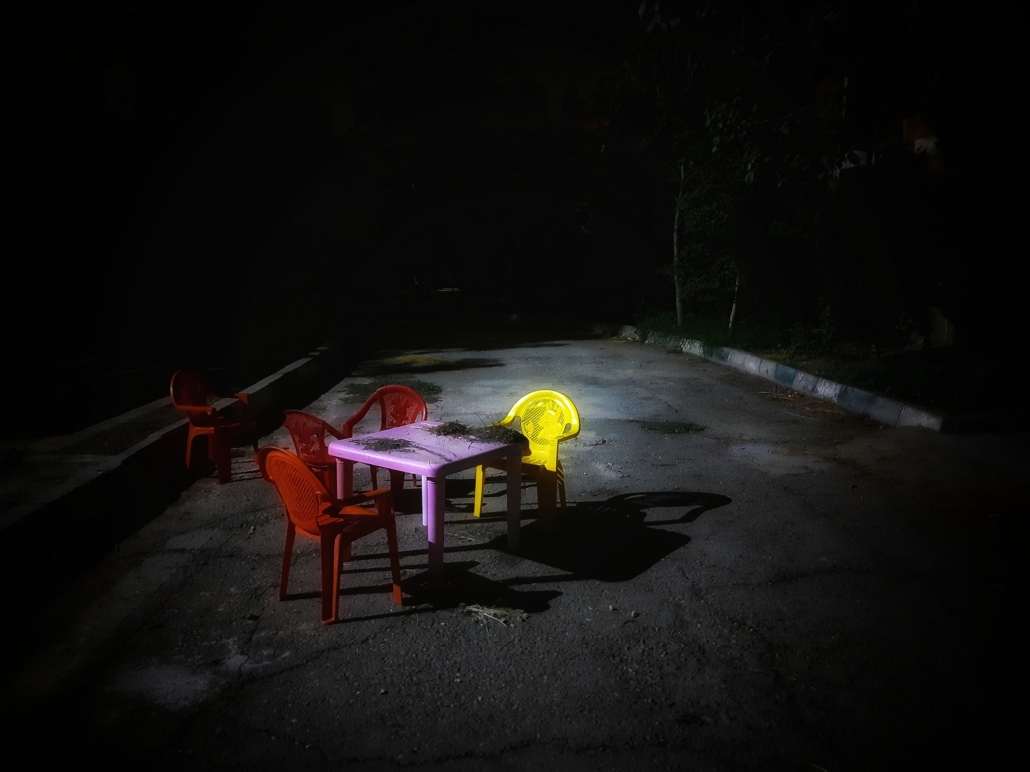
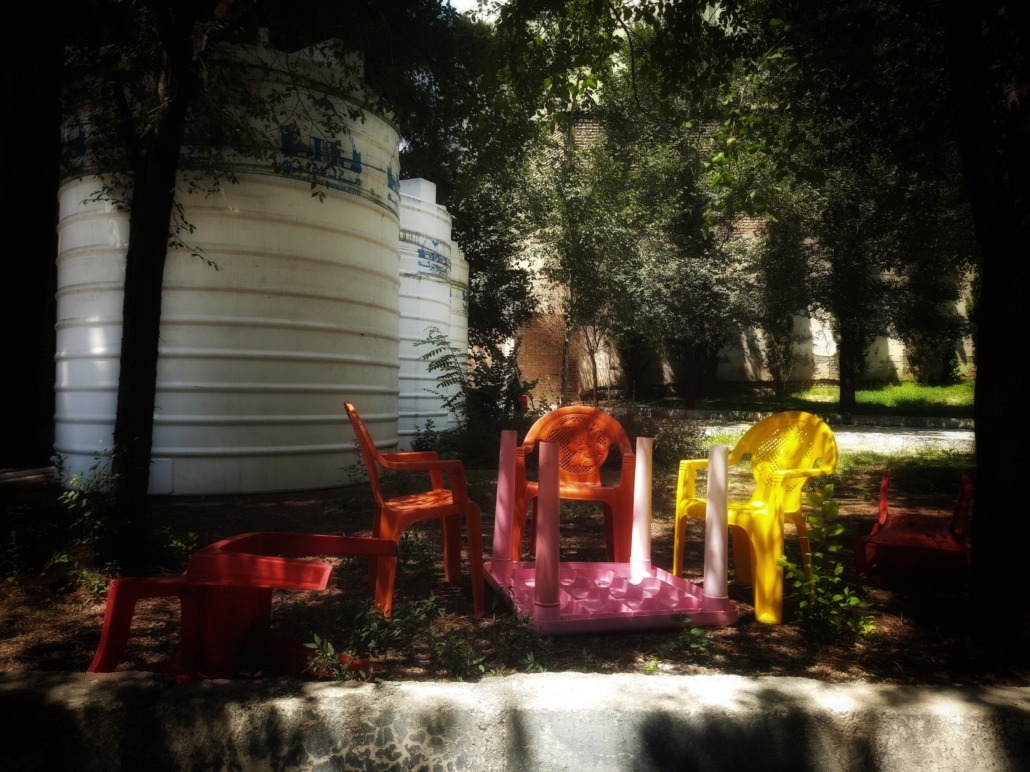
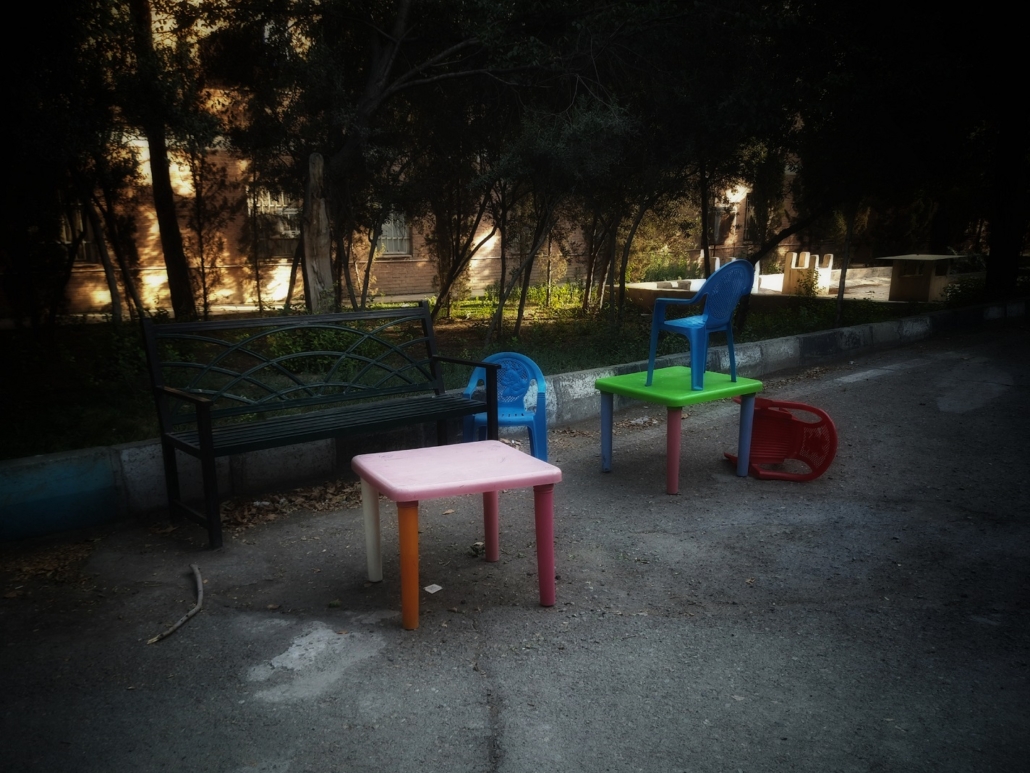
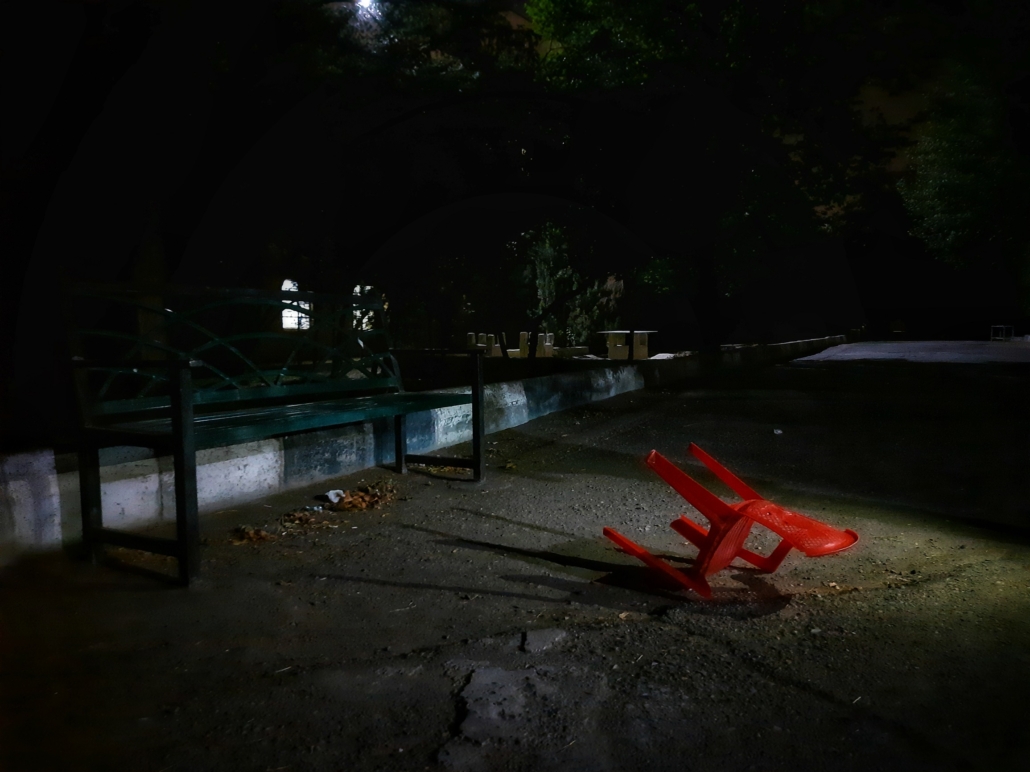
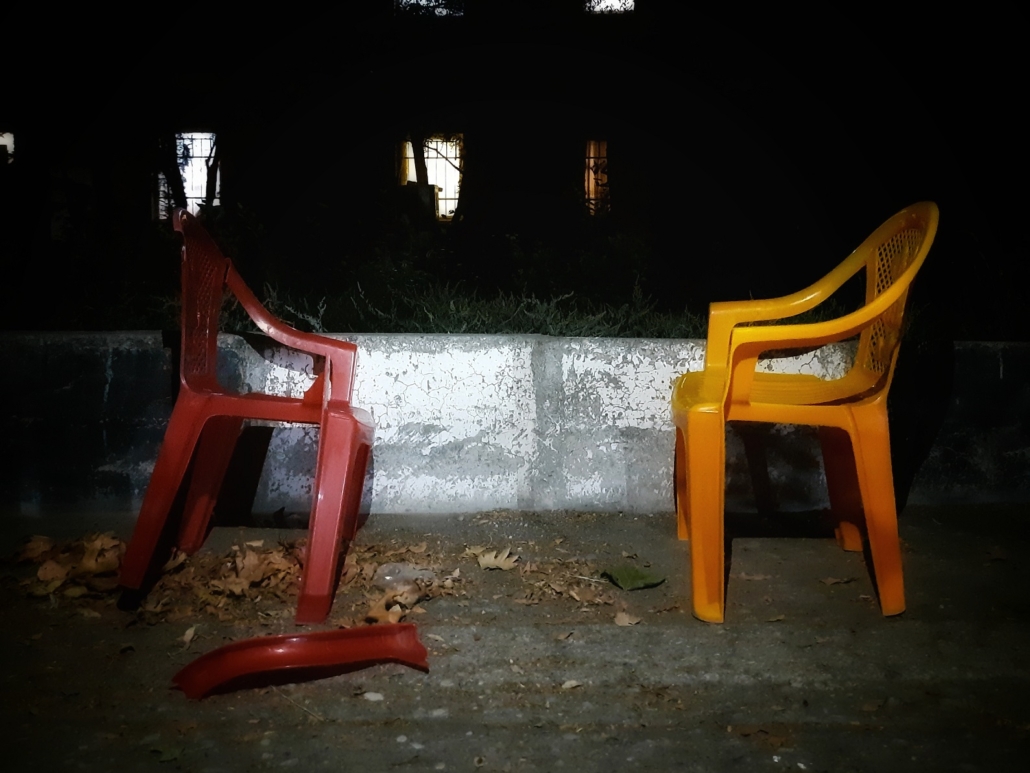
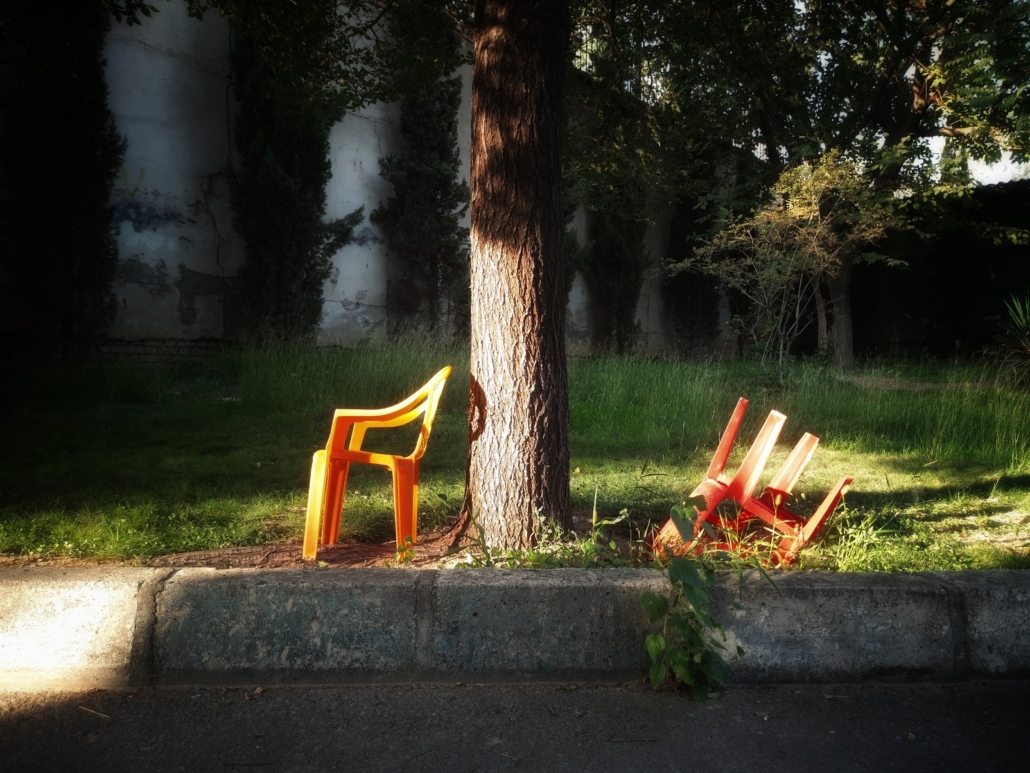
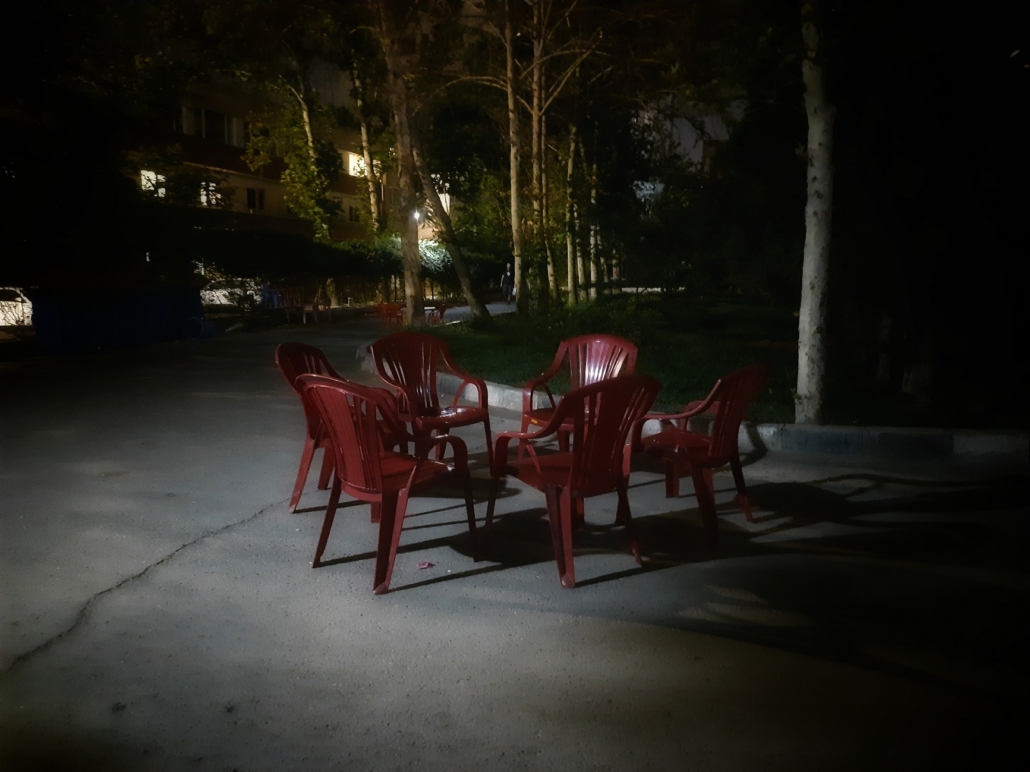
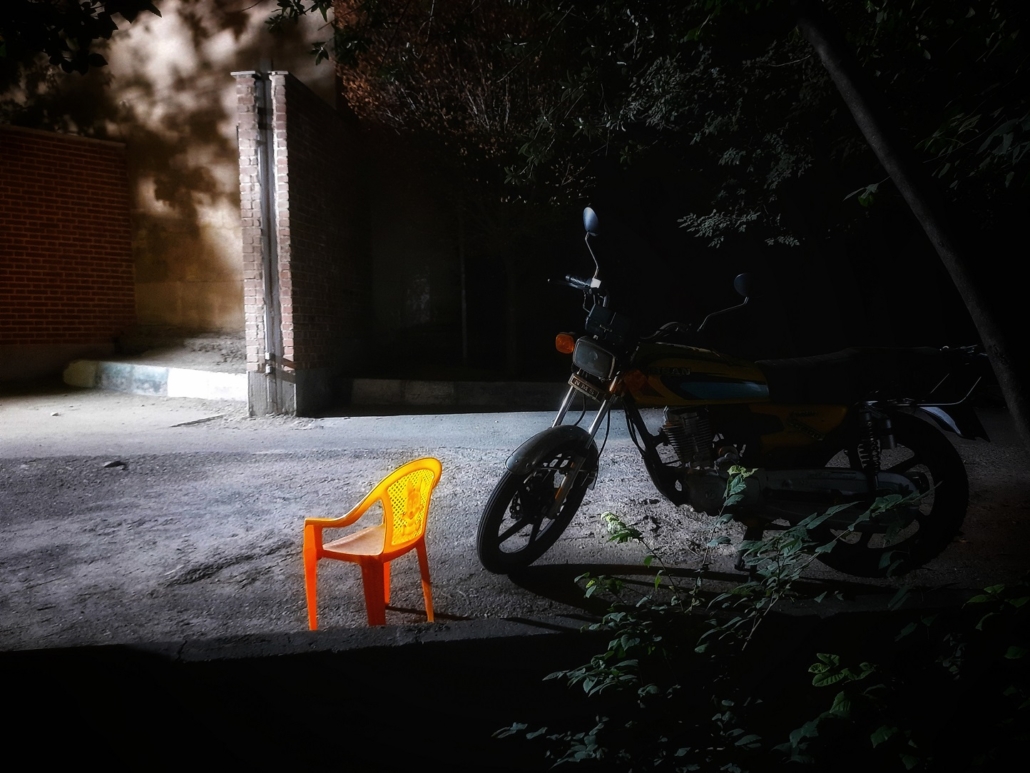
میزها و صندلیهای پراکنده، جابهجا و گاه واژگون، حاصل گفتوگوهایی هستند که انگار بارها آغاز شدهاند و بارها بینتیجه رها شدهاند؛ گفتوگوهایی که نه به توافقی رسیدهاند و نه توانستهاند به پایان برسند. هنرمند هیچ نقشی در چیدمان و شکلدادن فضا نداشته و در همین مکان انتخابی و موقعیتی که به واسطهی کودکان شکلیافته به مثابه شاهدی عینی صحنههایی از این روند را ثبت کرده است.
مسئلهای که این مجموعه در جستجوی کاویدن آن است، به یک تعمیم ختم میشود: در جهان کودکان، پایان این بازیها شاید با رسیدن زمان خواب رقم بخورد؛ اما گاهی همین بازی در جهان بزرگسالان ادامه پیدا میکند. میزها دوباره چیده میشوند، صندلیها روبهروی هم قرار میگیرند و گفتوگو از سر گرفته میشود. و بازی آنجایی تلخ و دردآور است که این گفتگوها تا پایان بزرگسالی ادامه پیدا کند، بیآنکه بلوغی حاصل شود...
A Summer of Negotiations
In the world of children, play, quarrels, and imaginary conversations are taken for granted; conversations that sometimes unfold in peace and sometimes are abruptly abandoned with a simple act of refusal. Children can spend hours arranging tables and chairs, playing roles, negotiating, and then scattering everything once again over something that, to an adult, may seem utterly insignificant.
This series took shape over the course of three summer months, in the shared green space of a residential complex. The scattered, rearranged, and at times overturned tables and chairs appear to be the traces of conversations that have begun time and again, only to be abandoned without resolution. Conversations that have reached neither an agreement nor an ending. The artist played no part in arranging or shaping the space. Instead, within this chosen setting and situation—shaped by the children—the artist acted as an objective witness, recording scenes from the unfolding process.
The question this series seeks to explore ultimately leads to a broader reflection: in the world of children, perhaps these games come to an end when bedtime arrives; yet sometimes the same game continues into the adult world. The tables are arranged once again, the chairs placed opposite one another, and the conversation resumes. The game becomes bitter and painful when these conversations continue all the way into adulthood, without ever giving rise to maturity…